Understanding Wildlife Needs: Nutritional Requirements and Habitat Assessment
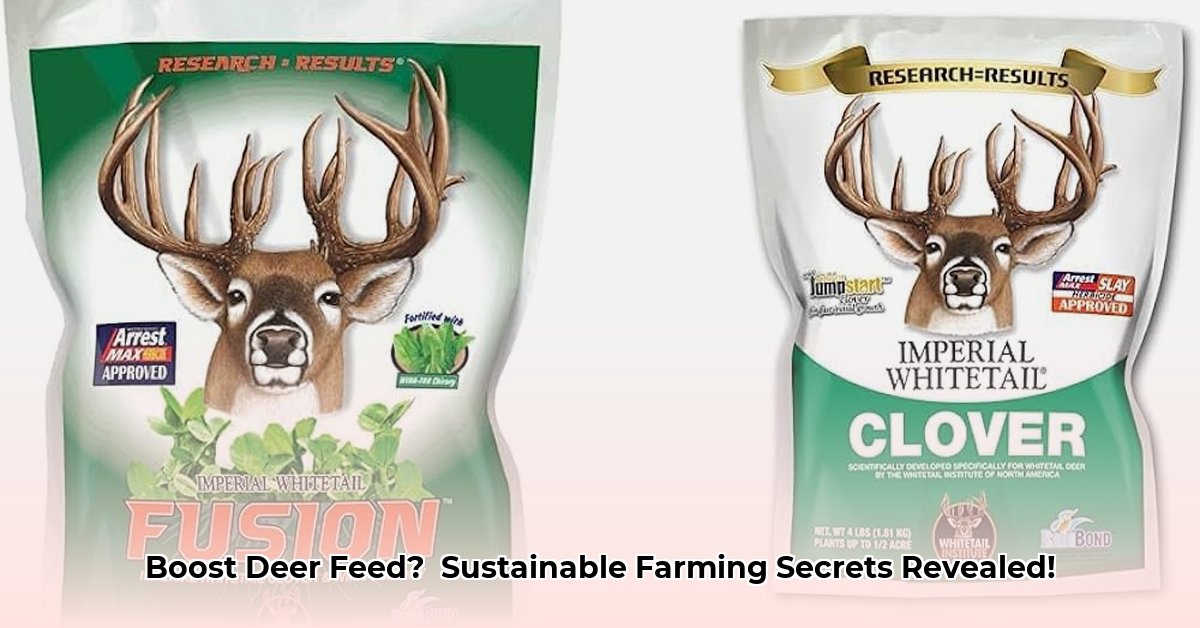
Successful deer management hinges on understanding their nutritional needs. Deer, like humans, require a balanced diet of proteins, carbohydrates, fats, vitamins, and minerals for optimal health and reproduction. Protein is crucial for muscle growth, especially in bucks during antler development, while calcium and phosphorus are essential for strong bones. Nutritional deficiencies manifest in various ways, including stunted growth, thin body condition, and reduced antler size. Observing deer for signs of malnutrition, such as emaciated physiques or poor antler development, is the first step. More rigorously, fecal analysis by a wildlife veterinarian can reveal hidden deficiencies, providing a window into their dietary shortfalls. The quality of the natural habitat significantly influences a deer's dietary needs. A habitat lacking diverse forage will necessitate more substantial supplemental feeding. For more information on deer feed options, check out Tractor Supply deer feed.
Choosing the Right Feed: Tractor Supply Options and Sustainability
Selecting the right deer feed is paramount. Tractor Supply Co. and similar retailers offer a range of products, each with varying nutritional profiles and environmental impacts. Key considerations include:
Protein Content: Higher protein levels are essential, particularly for bucks during antler growth and young fawns. However, excessive protein can be detrimental, so balance is key. Look for feeds specifying protein percentages.
Mineral Supplementation: Deer often lack sufficient calcium and phosphorus in their natural diets, necessitating supplemental feeds enriched with these vital minerals. Check the label for this information.
Cost-Effectiveness: Prioritize nutritional value over mere price per bag. A more expensive feed with superior nutritional density might prove more economical in the long run by improving deer health and reducing the overall feed required.
Sustainable Sourcing: Opt for feeds made with sustainably sourced ingredients, minimizing the feed's environmental footprint. Look for certifications and information that details the source of ingredients and manufacturing methods. Choose options with low-carbon footprints and ethically sourced ingredients as much as possible.
Implementing a Feeding Program: Step-by-Step Guide
A successful deer feeding program requires meticulous planning and execution:
Strategic Location: Choose a secluded location minimizing disturbance to deer and their habitat while considering travel patterns and providing adequate cover. This reduces human-wildlife interaction and stress.
Feeder Selection: Select a feeder appropriate for your needs and the local wildlife. Consider those that minimize waste and deter other unwanted animals.
Feeding Frequency and Quantity: Avoid overfeeding. Supplemental feeding should complement, not replace, natural foraging. Adjust feed amounts based on seasonal changes, herd size, and observed consumption rates. Regular monitoring will help you determine the correct quantity, and it’s best to err on the side of caution.
Waste Management: Regularly clean spilled feed to prevent disease transmission and the attraction of unwanted creatures. Cleanliness is paramount in maintaining a healthy and sustainable feeding program.
Monitoring and Evaluation: Tracking Success and Adapting
Regular monitoring is crucial for evaluating the program's effectiveness:
Deer Health Assessment: Regularly observe deer for signs of improved health, such as weight gain, improved antler growth, reduced incidence of disease, and increased activity rates.
Population Monitoring: Keep track of deer numbers to ensure the program doesn't lead to unsustainable population increases that may harm the environment.
Feed Consumption Tracking: Monitor feed consumption rates to adjust feed amounts based on actual demand. Record keeping of feed dispensed, consumption, and waste generation is essential here.
Environmental Impact Assessment: Assess the environmental impact of your program. Are there signs of habitat degradation, increased competition with other animals, or other undesirable effects?
Addressing Potential Challenges: Mitigation Strategies
Potential problems include:
Overfeeding: Leads to habitat degradation and increased disease transmission. Carefully monitor feed intake and adjust accordingly.
Attracting Unwanted Species: Proper feeder selection and diligent cleanup can help mitigate this issue.
Altered Foraging Behavior: Deer may become overly reliant on supplemental feed, neglecting natural sources. Regularly monitor forage availability and adjust feeding as needed.
Disease Transmission: Maintain cleanliness around feeders and monitor the herd's health. Consult with a veterinarian or wildlife professional immediately if disease is suspected.
Legal and Regulatory Considerations: Compliance with Local Laws
Deer feeding regulations vary widely depending on location. Always consult your local wildlife agency or game warden for all relevant laws and permits before implementing a feeding program. Compliance with existing regulations is non-negotiable.
Conclusion: Sustainable Practices for Long-Term Success
Sustainable game feeding is a multifaceted process demanding careful planning, regular monitoring, and commitment to environmental stewardship. By understanding deer’s nutritional needs, selecting sustainable feeds from reputable sources like Tractor Supply Co., and diligently managing the program, you can support a healthy deer population while preserving the integrity of their habitat. Continuous vigilance and adaptation are crucial for long-term success.